
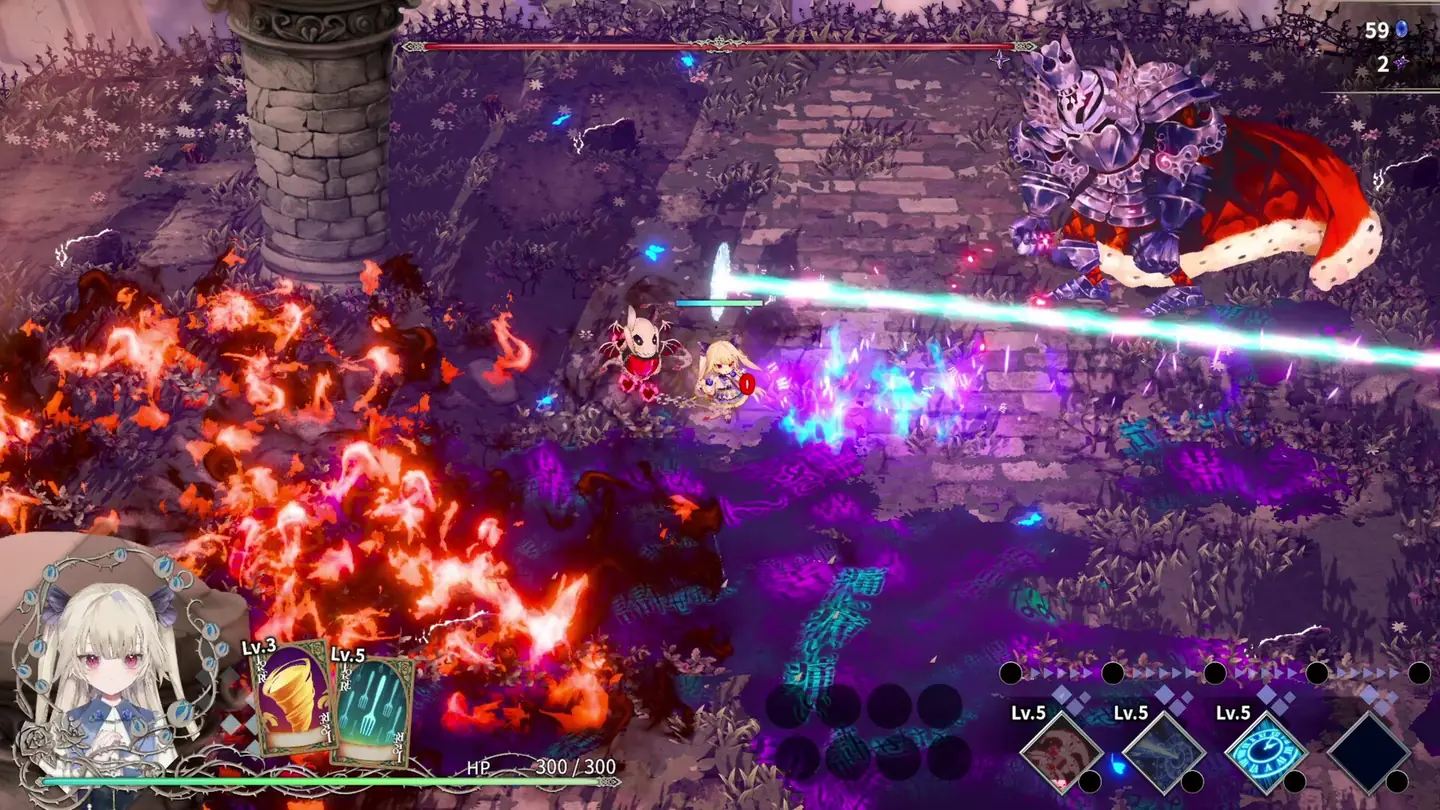
There are no CRYMELIGHT reviews yet. The game releases on November 4, 2026, Metacritic carries the page with no score attached yet, and Steam shows "No user reviews" because nobody outside the demo has played it. Anything presented as a scored review right now is either a preview or an advertisement.
Steam: zero reviews, zero ratings
The Steam store page has no review summary at all — not "mixed", not "mostly positive", nothing. For a game that has been wishlisted by tens of thousands of people and ran a demo for six weeks, an empty review block is the clearest possible signal that the retail build has not reached players yet.
Steam reviews also only count copies bought through Steam, so even after launch the number will describe one platform. The Switch 2 and PlayStation 5 versions have no equivalent public review surface, which is why console reception tends to arrive through critic scores instead.
Metacritic: the page exists, the score does not
Metacritic has a CRYMELIGHT entry with no Metascore attached yet. That is not a low score or a withheld score; it means fewer than the minimum number of critic reviews have been filed. The page will fill in over the first week after launch, and the number will move as more outlets publish.
Two things are worth knowing before you read that number later. First, a Metascore aggregates critics, not players, and this is a niche action game with a small press footprint — the sample will be thin. Second, the console and PC versions can end up with separate entries and separate scores, so check which platform the score belongs to.
What 71 demo players actually said
FURYU ran a questionnaire for players who finished the demo and published the results on October 21, 2026, with 71 responses. It is the only reception data that exists, and it is a demo survey rather than a review.
| Question | Result |
|---|---|
| Rated the game "enjoyable" or better | 94.4% (67 of 71) |
| "Very enjoyable" | 63.4% (45) |
| "Enjoyable" | 31.0% (22) |
| "Average" | 4.2% (3) |
| "Underwhelming" | 1.4% (1) |
| Will definitely buy | 71.8% (51) |
| Will probably buy | 22.5% (16) |
| Still unsure | 5.6% (4) |
| Rated the controls "good" or better | 83.1% (59) |
| Rated the difficulty "difficult" or higher | 54.9% (39) |
What they liked, in order
The same survey asked players to name what stood out, and the ranking is more useful than the satisfaction number because it says what the game is actually selling.
| Element | Share of respondents |
|---|---|
| Music | 71.8% |
| Characters | 71.8% |
| Art | 54.9% |
| Story | 45.1% |
| Battles | 38.0% |
| Cryme Cards | 25.4% |
| Repentance System | 5.6% |
Music and characters tie at the top, and that combination is the whole pitch of the game: Sakuzyo's score and YOGISYA's cast. The two systems that decide how a run plays — the cards and repentance — sit at the bottom of the list, with repentance named by four respondents out of 71.
That gap is the honest read on this game before launch. Players respond to how it looks and sounds immediately, and the loop that keeps them playing is the part they have not yet had enough time with, because chapter 1 barely opens it.
The wishlist curve
FURYU has published three wishlist milestones: 50,000 on July 3, 60,000 on August 8, and 77,700 on October 20. The curve is steady rather than explosive, which fits a niche title with a demo doing the marketing instead of a big trailer campaign.
Wishlists are not sales. They measure intent expressed before a price was ever shown on Steam — the store page still had no price in the final week before launch. Treat 77.7K as evidence that the demo converted curiosity into a reminder, not as a forecast.
How to read reception after launch
The first 48 hours will produce three different signals, and they measure different things: Metacritic will show what critics think of the opening hours, Steam reviews will show what PC players think of the whole thing, and the Steam demo's own review page will keep showing what people thought of chapter 1.
For this game specifically, watch whether reviews mention the card system or the art first. The demo survey suggests most players come for the art and stay — or do not — for the poker hands, and a critic who never got past the first tier of cards will describe a different game than one who finished it.
What the survey cannot tell you
Seventy-one responses is a small sample, and it is self-selected: players who finished a demo and chose to fill in a questionnaire are not the same population as players who will buy the game. The 94.4% satisfaction figure describes that group, not the market.
It also measures chapter 1. The systems that decide whether a roguelike holds someone for twenty hours — the card pool, the boss design, the pacing of upgrades — barely appear in the demo. A survey taken at the chapter break cannot speak to any of them.
What the first reviews will actually settle
Three questions, none of which the demo answers. Does the card system stay interesting past the first tier? Does the difficulty curve hold without the Story Mode safety net? And does the 20 to 30 hour estimate survive contact with a real playthrough?
Watch for whether a review discusses the poker hands by name. A critic who describes the game only in terms of art and music did not get far enough for the systems to matter, and that tells you as much about the game's pacing as about the reviewer.
Reading a Metascore for a niche title
Small games collect few reviews, and a handful of scores produces a number that swings hard on one outlier. When the CRYMELIGHT page fills in, check the count before the average — a score built on six reviews is a different signal from one built on forty.
The same caution applies to user scores. Steam reviews arrive from one platform and one storefront, and the console versions have no comparable public rating at all.