
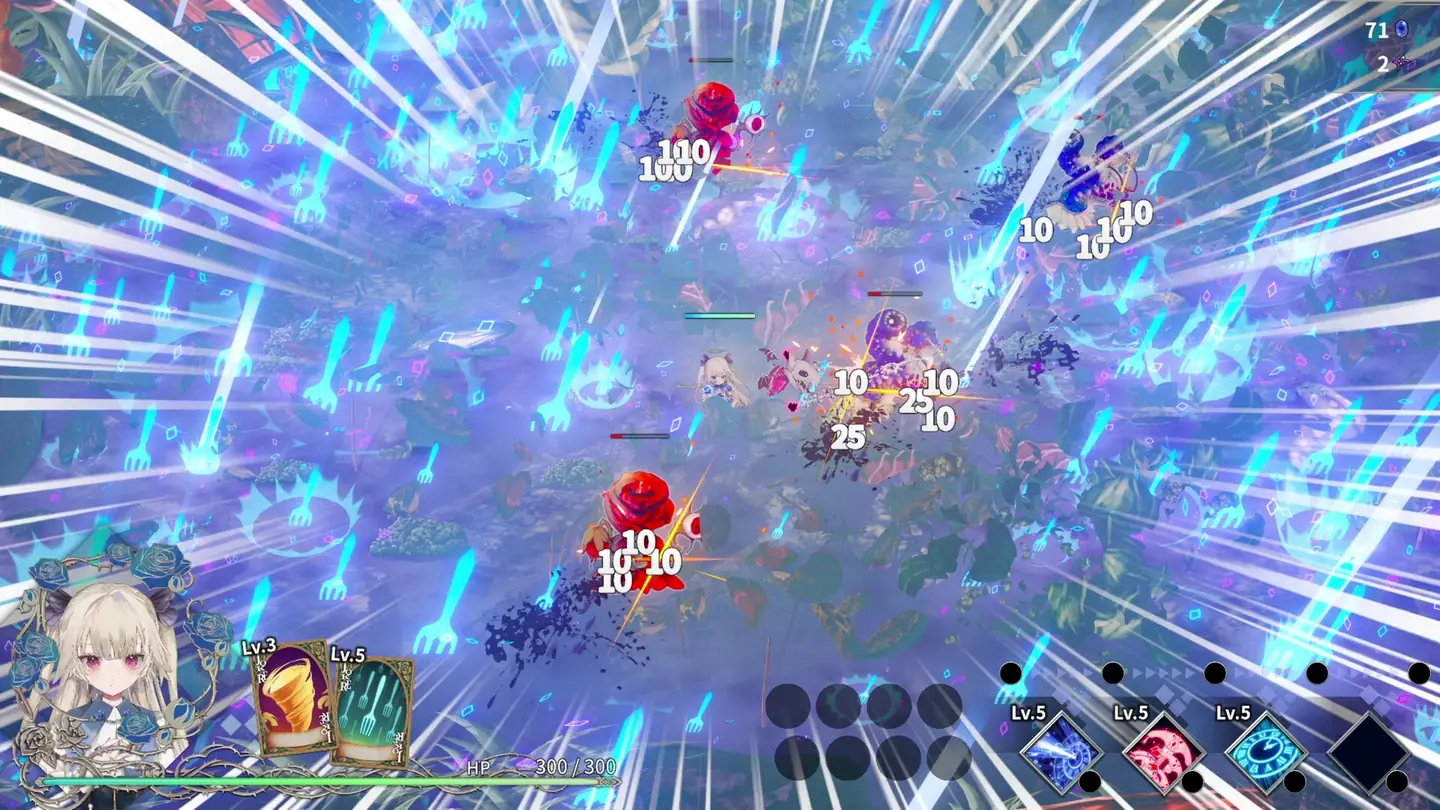
The CRYMELIGHT demo is free and covers the opening of the game through the end of chapter 1, which FURYU puts at 1.5 to 3 hours. It is the retail build with a chapter boundary rather than a combat slice, and it stays available until the game launches.
Where to download it
On Steam, the demo button sits on the main CRYMELIGHT product page rather than on a store listing of its own. Search the game, open the page, and the download option appears next to the purchase block. Installing the demo does not buy the game, and the two installs are separate.
On PlayStation 5, the free trial is listed on the Japanese PlayStation Store as 体験版 at 無料. It is a separate download from the paid product and it does not require a PlayStation Plus subscription.
There is no code, no sign-up and no regional lock beyond the storefront you are already using. If a site offers you a "demo key", it is selling something that is free.
How far the demo goes
The demo starts at the beginning of the story, not at a tutorial arena. Alice wakes in Wonderland, the White Rabbit names her, and the first stages run exactly as they will in the retail release. It ends at the close of chapter 1, which is roughly the point where the card system starts to make sense.
Everything the full game is built on appears inside that window:
- picking one of three skill cards after every cleared stage;
- holding up to five cards and forming a poker hand;
- the indigo Wonder Dimension spreading from a killed enemy;
- the first confession at the Tea Party Hall, turning sin into an upgrade.
What it does not reach is the late game. Five-card hands exist, but chapter 1 does not offer enough stages to see a strong hand tested against a boss that resists it.
What changed from the Battle Demo
An earlier Battle Demo ran from July 31 to September 17, 2026 and was a combat-only slice. The current demo replaced it on September 17 and is a different build. Anyone who tried the earlier one and bounced off it was playing an older version of the game.
The replacement brought a long list of changes, and most of them are about legibility rather than content:
- tutorials were added, along with a feature to replay them;
- a glossary lets you look up game-specific terms mid-adventure;
- character, enemy and effect visibility was improved;
- dodge was reworked, including its uses, cooldown and distance;
- card effects and designs were rebuilt from scratch;
- keyboard, mouse and screen-shake options arrived;
- map branches and routes were redone, with item descriptions on the map;
- difficulty settings were added, changeable at any time from the Tea Party Hall.
The difficulty point matters most for a first run. In the current demo you can lower the setting without restarting the chapter, so a stage that feels unfair is a menu change rather than a reason to quit.
How long it actually takes
FURYU's own figure is 1.5 to 3 hours, and the spread is honest: the low end is a player who walks the critical path, the high end is someone who reads the tea party conversations and tries more than one card combination per stage.
The demo also has something waiting at the end. FURYU teased a surprise for players who finish chapter 1 inside the demo without saying what it is, which is the reason to push to the chapter break instead of stopping after the first boss.
Is the demo worth your evening
Yes, if you are undecided about the card system. The mechanic that decides whether you like this game is the hand you build across five cards, and no trailer conveys how that feels. Two hours in the demo answers it.
No, if you already know you are buying it. The demo stops right where the systems open up, and you will replay chapter 1 from the beginning in the retail release. Spending an evening on a slice you will repeat is the one clear waste here.
The middle case is the interesting one: play for the combat feel and the camera. Mode Select switches between a close side-on view and a wider top-down one, and the first sells the art direction while making dense fights harder to read.
What to do in the first twenty minutes
Open the settings before the first fight. Difficulty lives in the Tea Party Hall rather than the main menu, so the first visit to the hub is the moment to set it — after that, you can change it any time you return.
Then try the camera. Mode Select toggles between a close side-on view and a wider top-down one, and the difference is bigger than it sounds: the close view is better looking and harder to read when three enemies crowd the screen. Pick the one you can fight in, not the one that photographs better.
Finally, read the glossary. The demo added a term lookup during adventures for exactly this reason — the game uses words like confession and dimension as mechanics, not flavour, and the glossary is faster than guessing.
Console or PC demo
The two downloads are the same content. The PC version is the one with the button on the Steam store page; the PlayStation version is the separate free trial on the Japanese store.
Neither carries progress into the retail release in a way you should plan around, and both stop at the same chapter break. If you own both platforms, play the demo where you intend to buy — the card system reads differently on a handheld screen than on a monitor.
After the demo ends
The chapter break is a natural stopping point, and FURYU put something there for players who reach it. Beyond that, the retail release starts the same story again from the beginning, so the demo's value is in the mechanics rather than in progress.
The one thing worth doing before you stop is spending your collected sin at the hub. It is the only part of the demo that teaches the loop that actually persists — cards reset, weapons do not.